
15 Courses
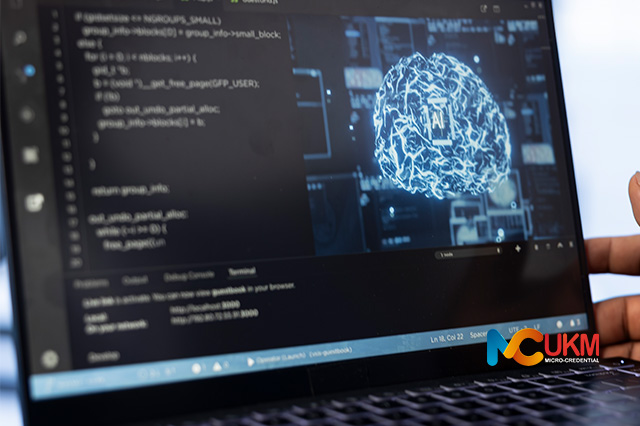
MODULE 3: Micro Award Machine Learning in Data Exploration
Module Info
| Course Name | : | MCKK56073 Micro-credential Engineering Statistics | ||||
| Module Title | : | Module 3: Micro Award Machine Learning in Data Exploration | ||||
| Module Code | : | MCKK56091 | ||||
| Credit Hours | : | 1 | ||||
| Learning Mode | : | Online, Physical, Self Learning | ||||
| Language | : | English | ||||
| Entry Requirement | : | Minimum SPM pass/equivalent with 3 years of work experience in related field Or; With 5 years of experience in related field. | ||||
| Registration Date | : | |||||
| Module Synopsis | : | This module provides an introduction to machine learning and its applications in data exploration. Topics covered include basic statistical analysis, data visualization, and machine learning algorithms for pattern recognition and predictive modeling. Learners will apply machine learning techniques to extract insights from data, enhancing their analytical skills for engineering and industrial applications. | ||||
| Module Learning Outcomes | : |
| ||||
| Fee | : | |||||
| Lecturer's Name | : |
|
Fakulti Kejuruteraan dan Alam Bina
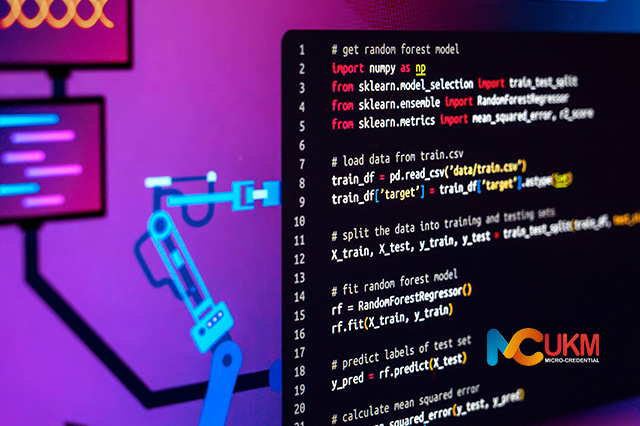
Python Programming for Machine Learning
Module Info
| Course Name |
: | Machine Learning |
||||
| Module Title | : | Python Programming for Machine Learning | ||||
| Module Code | : | MCKK52011 |
||||
| Credit Hours | : | 1 | ||||
| Learning Mode |
: | Hybrid | ||||
| Language |
: | English | ||||
| Entry Requirement | : | SPM with a minimum of 5 years of work experience in a related field |
||||
| Registration Date | : | |||||
| Module Synopsis | : | This module introduces participants to the basic concepts of Python programming required for developing machine learning applications. The module covers 1) Python Basics - cover data types, variables, and control loops, 2) Functions and Data Structures - explore creating functions and using lists, dictionaries, etc., 3) Numpy - a powerful numerical library for scientific computing, 4) Project-Based Learning - embrace to apply skills through real-world projects. |
||||
| Module Learning Outcomes | : |
|
||||
| Fee | : | |||||
| Lecturer's Name | : | Dr. Mohd Faisal Ibrahim / Dr. Seri Mastura Mustaza / Dr. Aqilah Baseri Huddin / Assoc. Prof. Dr. Mohd Asyraf Zulkifley |
MODULE 2: Micro Award Basic Linear Regression in Quality Control
Module Info
| Course Name | : | MCKK56073 Micro-credential Engineering Statistics | ||||
| Module Title | : | Module 2: Micro Award Basic Linear Regression in Quality Control | ||||
| Module Code | : | MCKK56081 | ||||
| Credit Hours | : | 1 | ||||
| Learning Mode | : | Online, Physical, Self Learning | ||||
| Language | : | English | ||||
| Entry Requirement | : | Minimum SPM pass/equivalent with 3 years of work experience in related field Or; With 5 years of experience in related field. | ||||
| Registration Date | : | |||||
| Module Synopsis | : | This module focuses on linear regression techniques and their applications in quality control and process optimization. Key topics include least squares estimation, correlation analysis, hypothesis testing, and control charts (X, R & S charts). Learners will gain hands-on experience in statistical modeling to monitor and improve product and process quality in various industries. | ||||
| Module Learning Outcomes | : |
| ||||
| Fee | : | |||||
| Lecturer's Name | : |
|
Fakulti Kejuruteraan dan Alam Bina
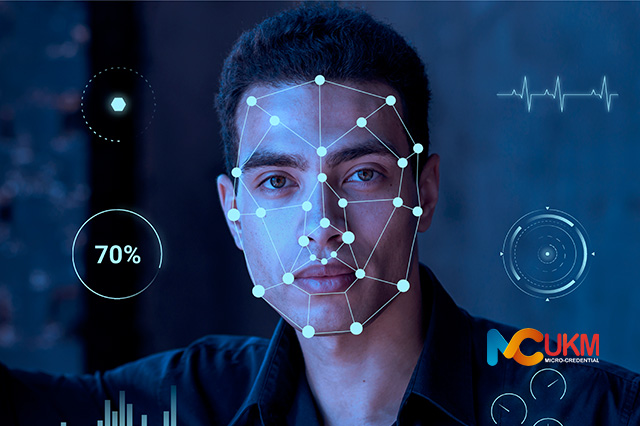
Unsupervised Machine Learning
Module Info
| Course Name |
: | Machine Learning | ||||
| Module Title | : | Unsupervised Machine Learning | ||||
| Module Code | : | MCKK52031 | ||||
| Credit Hours | : | 1 | ||||
| Learning Mode |
: | Hybrid | ||||
| Language |
: | English | ||||
| Entry Requirement | : | At least passed SPM or equivalent with a minimum of 5 years of working experience in the related fields. | ||||
| Registration Date | : | - | ||||
| Module Synopsis | : | This module aims to provide knowledge and understanding of unsupervised machine learning methods. The module starts with a general understanding of an unsupervised learning methodology focusing on clustering algorithms. Two unsupervised clustering algorithms will be taught in this module, which are hierarchical and K-means clustering algorithms. This module will delve into the basic theory of the selected clustering algorithms and also their pseudocode. |
||||
| Module Learning Outcomes | : |
|
||||
| Fee | : | |||||
| Lecturer's Name | : | Dr. Mohd Asyraf Zulkifley |
Fakulti Kejuruteraan dan Alam Bina
Application of Spectroscopy and Chromatography for Environmental Analysis
Module Info
| Course Name |
: | Chemical Instrumentation Method |
| Module Title | : | Application of Spectroscopy and Chromatography for Environmental Analysis |
| Module Code | : | MC-CECIM3 |
| Credit Hours | : | 1 credit hour |
| Learning Mode |
: | Physical |
| Language |
: | English & Malay |
| Entry Requirement | : | |
| Registration Date | : | |
| Module Synopsis | : | This module introduces students to the basic concepts of Marketing, the importance of strategic planning and elements in the marketing environment. |
| Module Learning Outcomes | : |
HPM3: Understand the basic operation of equipment and chemical instrumentation components found in the laboratory. Memahami operasi asas peralatan dan komponen instrumentasi kimia yang terdapat dalam makmal.
HPM4:Interpreting data obtained from analytical equipment. Mentafsir dan membuat laporan daripada data yang diperolehi daripada peralatan analisis. HPM5:Determining chemical structures, performing concentration and purity and implementing quality assurance in chemical measurements. Menentukan struktur kimia, melakukan pengukuran kepekatan dan ketulenan serta melaksana jaminan kualiti dalam pengukuran kimia. |
| Fee | : | |
| Lecturer's Name | : | ChM. Dr. Noorashikin Md Saleh & PM Ts. Dr. Wan Nor Roslam Wan Isahak |
Introduction to Automation Systems
Module Info
| Course Name |
: | Micro-Credential Manufacturing Automation |
||||
| Module Title | : | Introduction to Automation Systems | ||||
| Module Code | : | MCKK54011 |
||||
| Credit Hours | : | 1 | ||||
| Learning Mode |
: | Online | ||||
| Language |
: | English | ||||
| Entry Requirement | : | Minimum pass SPM/equivalent
with 3 years of experience in the related areas or; With 5 years of experience in related areas. |
||||
| Registration Date | : | |||||
| Module Synopsis | : | This module introduces students to the basic concepts of automated machines and equipment, functions and applications of robots in industrial automation systems. This course discusses the theory and concepts of automation which related to systems in manufacturing industry. |
||||
| Module Learning Outcomes | : |
|
||||
| Fee | : | |||||
| Lecturer's Name | : | Associate Prof Ir Dr Rizauddin Ramli(coordinator) Dr Afifah Zakiyyah Juri Dr Hawa Hisahmuddin |
Fakulti Kejuruteraan dan Alam Bina
Determination of Toxic Substances/Penentuan Bahan Bertoksik
Module Info
| Course Name |
: | INDUSTRIAL TOXICOLOGY |
| Module Title | : | Determination of Toxic Substances/Penentuan Bahan Bertoksik |
| Module Code | : | MCKK53061 |
| Credit Hours | : | 1 credit hour |
| Learning Mode |
: | Physical at Faculty of Engineering and Built Environment (FKAB), UKM Bangi, Selangor, Malaysia. |
| Language |
: | English and Malay |
| Entry Requirement | : | Minimum SPM pass/equivalent with 3 years of work experience in a related field or 5 years of work experience in a related field. |
| Registration Date | : | |
| Module Synopsis | : |
This course is to provide students with processes that involve toxicants in industry and the generation of toxic waste. The effect of toxicants from the industry and agriculture towards the environment, and effective waste management will also be introduced. The dose - response correlation and basic mechanisms of absorption, distribution, metabolism and the production of toxic substances in the human body system will also be discussed. By the end of this course, students will be able to evaluate the risk, toxicity level and the solution method based on the right safety aspect. |
| Module Learning Outcomes | : |
HPM3: Menganalisis perkaitan dos-tindakbalas serta mekanisme asas penyerapan, pengagihan, metabolisme dan pengeluaran bahan toksik dalam sistem tubuh manusia.
Analyse the dose - response correlation and basic mechanisms of absorption, distribution, metabolism and the production of toxic substances in the human body system.
HPM4: Memahami dan menganalisis kaedah penyingkiran bahan bertoksik dari sistem tubuh manusia mengikut kelas bahan bertoksik. Understand and analyze the excretion of toxicant from the human body system according to the classification.
HPM5.Menilai risiko, tahap ketoksikan dan kaedah penyelesaiannya berdasarkan aspek keselamatan yang betul. Evaluate the risk, toxicity level and the solution method based on the right safety aspect. |
| Fee | : | |
| Lecturer's Name | : | ChM. Dr. Noorashikin Md Saleh & Ts. Dr. Nur Hidayatul Nazirah Kamarudin |

Fakulti Kejuruteraan dan Alam Bina
Introduction to Toxic Substances
Module Info
| Course Name |
: | Micro-Credential Industrial Toxicology |
||||
| Module Title | : | Introduction to Toxic Substances | ||||
| Module Code | : | MC-CEIT 1 |
||||
| Credit Hours | : | 1 | ||||
| Learning Mode |
: | |||||
| Language |
: | English | ||||
| Entry Requirement | : | |||||
| Registration Date | : | |||||
| Module Synopsis | : | This course is to provide students with processes that involve toxicants in industry and the generation of toxic waste. The effect of toxicants from the industry and agriculture towards the environment, and effective waste management will also be introduced. The dose - response correlation and basic mechanisms of absorption, distribution, metabolism and the production of toxic substances in the human body system will also be discussed. By the end of this course, students will be able to evaluate the risk, toxicity level and the solution method based on the right safety aspect. |
||||
| Module Learning Outcomes | : |
|
||||
| Fee | : | |||||
| Lecturer's Name | : | Dr. Nur Hidayatul Nazirah Kamarudin |

Fakulti Kejuruteraan dan Alam Bina
Spectroscopy
Module Info
| Course Name | : | Chemical Instrumentation | ||||
| Module Title | : | Spectroscopy | ||||
| Module Code | : | MC-CECIM-2 | ||||
| Credit Hours | : | 1 | ||||
| Learning Mode | : | Online | ||||
| Language | : | English and Malay | ||||
| Entry Requirement | : | Minimum SPM pass/equivalent with 3 years of work experience in a related field or 5 years of work experience in a related field. | ||||
| Registration Date | : | October 2024 | ||||
| Module Synopsis | : | This course aims to provide exposure and knowledge to the concept of chemical instrumentation methods in performing chemical analysis. It will emphasize the basic theory and main principles of chemical instrumentation as well as the opportunity to use most of the equipment found in the department's Analytical Laboratory through laboratory work given throughout the course. General concepts of electronic design such as signal multiplication, digital electronics and the signal-to-noise ratio of equipment will also be discussed. The general instrumentation layout of each piece of equipment used will be adequately discussed. Students will also be exposed to using the latest instrumentation analysis in the determination of chemical structure, composition and properties of materials, separation of chemical components, performing concentration and purity measurements and undergoing quality assurance processes in instrumentation measurements. | ||||
| Module Learning Outcomes | : |
| ||||
| Fee | : | |||||
| Lecturer's Name | : | Assoc. Prof. Ts. Dr. Wan Nor Roslam Wan Isahak |

MODULE 1: Micro Award Data for Decision Making
Module Info
| Course Name |
: | MCKK56073 Micro-credential Engineering Statistics |
||||
| Module Title | : | Micro Award Data for Decision Making | ||||
| Module Code | : | MCKK56071 |
||||
| Credit Hours | : | 1 | ||||
| Learning Mode |
: | Online, Physical, Self Learning | ||||
| Language |
: | English |
||||
| Entry Requirement | : | Minimum SPM pass/equivalent with 3 years of work experience in related field Or; With 5 years of experience in related field. |
||||
| Registration Date | : | |||||
| Module Synopsis | : | This module introduces fundamental data analysis techniques for effective decision-making in engineering and industry. Students will explore parametric and non-parametric hypothesis testing, data visualization, and statistical reasoning to analyze and interpret data. Practical applications using modern software tools will enhance participants’ ability to make informed and data-driven decisions. |
||||
| Module Learning Outcomes | : |
|
||||
| Fee | : | |||||
| Lecturer's Name | : |
Dr. Nur Arzilah Ismail Dr. Izamarlina Asshaari Dr. Umawathy Techanamurthy |
Fakulti Kejuruteraan dan Alam Bina
Supervised Machine Learning
Module Info
| Course Name |
: | |||||
| Module Title | : | |||||
| Module Code | : | |||||
| Credit Hours | : | |||||
| Learning Mode |
: | |||||
| Language |
: | |||||
| Entry Requirement | : | |||||
| Registration Date | : | |||||
| Module Synopsis | : | This module introduces students to the basic concepts of Marketing, the importance of strategic planning and elements in the marketing environment. |
||||
| Module Learning Outcomes | : |
|
||||
| Fee | : | |||||
| Lecturer's Name | : |
Fluid Power Systems
Module Info
| Course Name |
: | Manufacturing Automation |
||||
| Module Title | : | Fluid Power Systems | ||||
| Module Code | : | MCKK54021 |
||||
| Credit Hours | : | 1 | ||||
| Learning Mode |
: | Hybrid | ||||
| Language |
: | English | ||||
| Entry Requirement | : | Minimum pass SPM/equivalent with 3 years of experience in the related areas or; With 5 years of experience in related areas. |
||||
| Registration Date | : | |||||
| Module Synopsis | : | This module provides exposure to the concept of fluid power and its application in the industry. The titles covered include: fluid power components and circuits, industrial control systems, electro-hydraulic and pneumatic systems, programmable logic controllers (PLCs). |
||||
| Module Learning Outcomes | : |
|
||||
| Fee | : | |||||
| Lecturer's Name | : | 1. Dr. Hawa Hishamuddin(coordinator) 2. Dr. Afifah Zakiyyah Juri 3. Assoc Prof Ir Dr Rizauddin Ramli |

Persistent Organic Pollutants in Water / Pencemaran Organik Berterusan dalam Air
Module Info
| Course Name |
: | Industrial Toxicology |
| Module Title | : | Persistent Organic Pollutants in Water / Pencemaran Organik Berterusan dalam Air |
Code |
: | MCKK53051 |
| Credit Hours | : | 1 credit |
| Learning Mode |
: | Online lecture and Recorded Video |
| Language |
: | English & Malay |
| Entry Requirement | : |
Minimum SPM pass/equivalent with 3 years of work experience in a related field or; 5 years of work experience in a related field. |
| Registration Date | : | |
| Module Synopsis | : | This course is to provide students with process that involved with toxicants in industry and the generation of toxic waste. The effect of toxicants from the industry and agriculture towards the environment, and effective waste management will also be introduced. The dose - response correlation and basic mechanisms of absorption, distribution, metabolism and the production of toxic substances in the human body system will also be discussed. By the end of this course, students will be able to evaluate the risk, toxicity level and the solution method based on the right safety aspect. |
| Module Learning Outcomes | : |
HPM1: Identify the process that involved with toxicants in industry and the generation of toxic waste. Mengenalpasti proses yang melibatkan bahan bertoksik di industri dan penghasilan sisa bertoksik.
HPM2: Investigate suitable detection methods for toxic substances from industrial and agricultural wastes. Menyiasat kaedah pengesanan yang sesuai untuk bahan toksik daripada sisa industri dan pertanian. |
| Fee | : | |
| Lecturer's Name | : | ChM. Dr. Noorashikin Md Saleh |
Robot Arm Kinematics
Module Info
| Course Name |
: | Micro-Credential Manufacturing Automation |
||||
| Module Title | : | Robot Arm Kinematics | ||||
| Module Code | : | MCKK54031 |
||||
| Credit Hours | : | 1 | ||||
| Learning Mode |
: | Hybrid | ||||
| Language |
: | English | ||||
| Entry Requirement | : | Minimum pass SPM/equivalent with 3 years of experience in the related areas or; With 5 years of experience in related areas |
||||
| Registration Date | : | |||||
| Module Synopsis | : | This module introduces students to the basic concepts of robot arm kinematics, including forward and inverse kinematics, simulations and programming of industrial robot. |
||||
| Module Objective | : | |||||
| Module Learning Outcomes | : |
|
||||
| Fee | : | |||||
| Lecturer's Name | : | 1. Assoc Prof Ir Dr Rizauddin Ramli(coordinator) 2. Dr Afifah Zakiyyah Juri 3. Dr Hawa Hishamuddin |
Micro-Credential Chemical Instrumentation Method: Chromatography
Module Info
| Course Name |
: | Chemical Instrumentation Method |
| Module Title | : | Chromatography |
| Module Code | : | MC-CECIM 1 |
| Credit Hours | : | 1 credit |
| Learning Mode |
: | Hybrid (Online + Physical) |
| Language |
: | English |
| Entry Requirement | : | Minimum SPM pass/equivalent with 3 years of work experience in a related field or 5 years of work experience in a related field. |
| Registration Date | : | April 2024 |
| Module Synopsis | : | This course aims to provide exposure and knowledge to the concept of chemical instrumentation methods in performing chemical analysis. It will emphasize the basic theory and main principles of chemical instrumentation as well as the opportunity to use most of the equipment found in the department's Analytical Laboratory through laboratory work given throughout the course. General concepts of electronic design such as signal multiplication, digital electronics and the signal-to-noise ratio of equipment will also be discussed. The general instrumentation layout of each piece of equipment used will be adequately discussed. Students will also be exposed to using the latest instrumentation analysis in the determination of chemical structure, composition and properties of materials, separation of chemical components, performing concentration and purity measurements and undergoing quality assurance processes in instrumentation measurements. |
| Module Learning Outcomes | : |
HPM1: Explain the basic theory and principles of chemical instrumentation. Menerangkan teori dan prinsip asas instrumentasi kimia.
HPM2: Prepare theoretical samples that will be used in an analytical equipment. Menyediakan sampel secara teori yang akan digunakan dalam sesuatu peralatan analisis. HPM3: Understand the basic operation of equipment and chemical instrumentation components found in the laboratory Memahami operasi asas peralatan dan komponen instrumentasi kimia yang terdapat dalam makmal. |
| Fee | : | |
| Lecturer's Name | : | ChM. Dr. Noorashikin Md Saleh |